
Eight Things Separating High-Performing Final-Mile Carriers From Everyone Else in 2026
The carriers who'll come out ahead in 2026 aren't the ones with the most trucks. They're the ones who stopped waiting for the market to improve and started finding the margin that was already sitting inside their operations.
The 9th Annual North American Transportation Management Benchmark Survey tracks where shippers are investing, what they're demanding, and how fast their expectations are moving. Reading it from a carrier's seat tells a different story than it's written for. Here's that story.
1. Your Shipper Already Has a Performance Report on You

Seventy percent of North American shippers now share transportation data across their internal operations teams. That data includes your on-time rate, your exception frequency, and how long it takes you to respond when something goes wrong.
Most carriers walk into renewal conversations without any of it. Their shipper walks in with all of it.
The carriers who've started running their own performance tracking aren't doing it to impress anyone. They're doing it so they're never in a room where someone else knows more about their operation than they do. That's not a technology advantage. It's a basic negotiating condition.
2. The Margin Is in Your Operation. It's Not Coming From the Market.
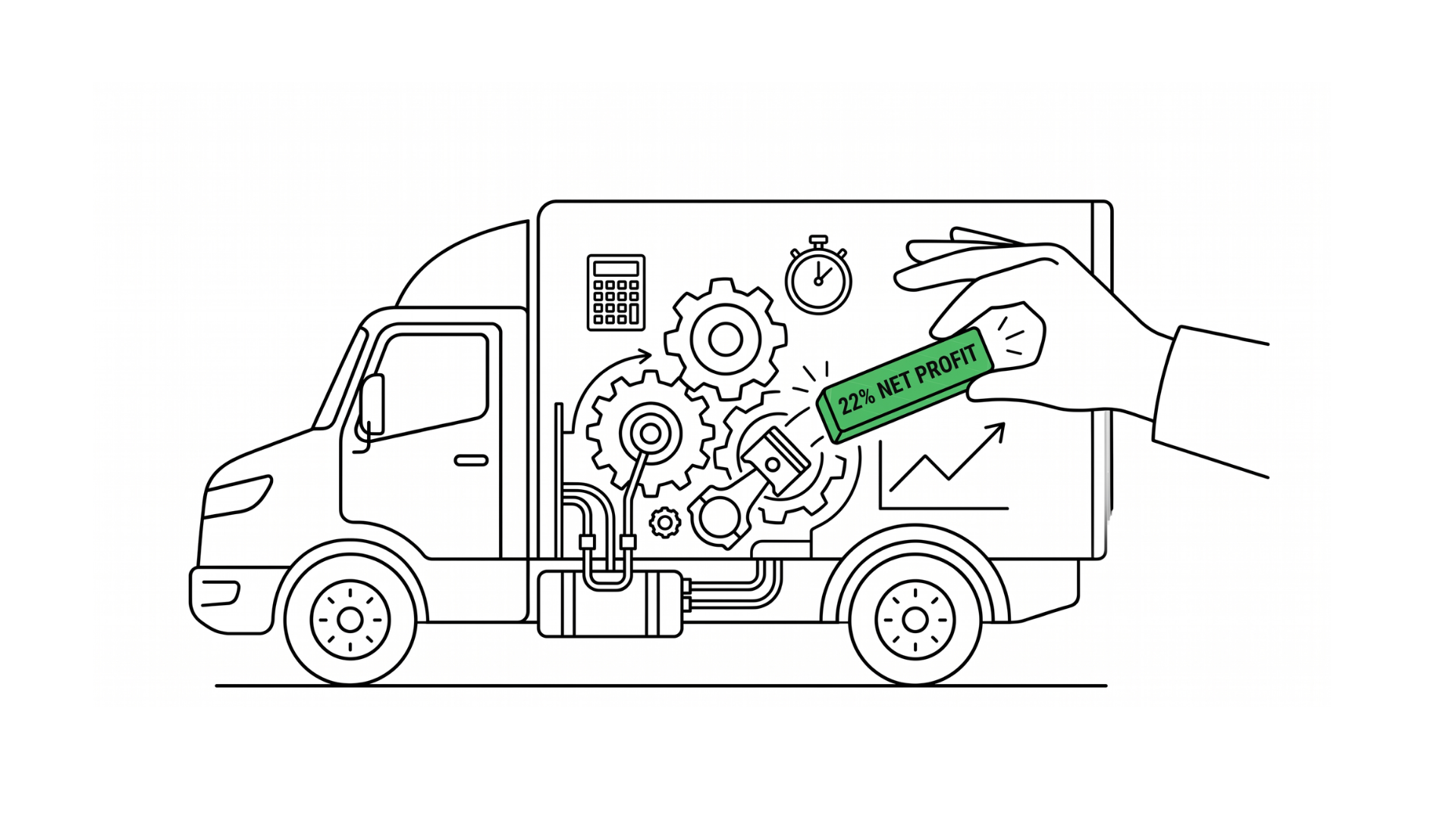
The marginal cost of operating a truck sits at $2.27 per mile. Driver wages account for $0.78 of that. Commercial auto insurance has been rising at 10 to 20% annually. Contract rates have been flat. Nearly half of carriers plan to delay fleet investments in 2026 due to tariff-related cost pressures.
The math isn't going to improve because you wait long enough.
One carrier on Fleet Enable saw a 22% increase in net profit within their first operating year. That didn't come from better rates or favorable conditions. It came from billing accuracy, accessorial recovery, and eliminating the operational waste that had been draining the business quietly for years. The margin was always there. The process was burying it.
3. Most Carriers Know Their Fuel Cost Down to the Cent. They Don't Know How Long Their Invoices Take to Build.
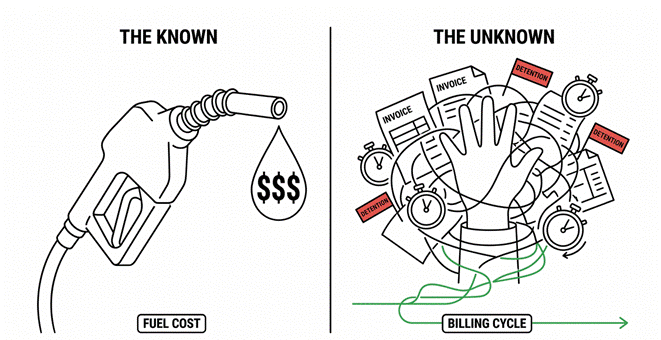
That gap is where the money goes.
Billing cycles that should take 30 minutes are running three hours. Accessorials get missed because no one flagged the detention event during a busy dispatch afternoon. PODs come in on paper, which means disputes take days to resolve instead of minutes. Carriers who've automated these workflows have cut billing time by up to 95%. Nothing changed about the freight. Everything changed about how the back office handled it.
If you haven't looked at your billing cycle recently, look at it now. What you find will probably surprise you.
4. You Can't Recruit Your Way Out of a Driver Shortage
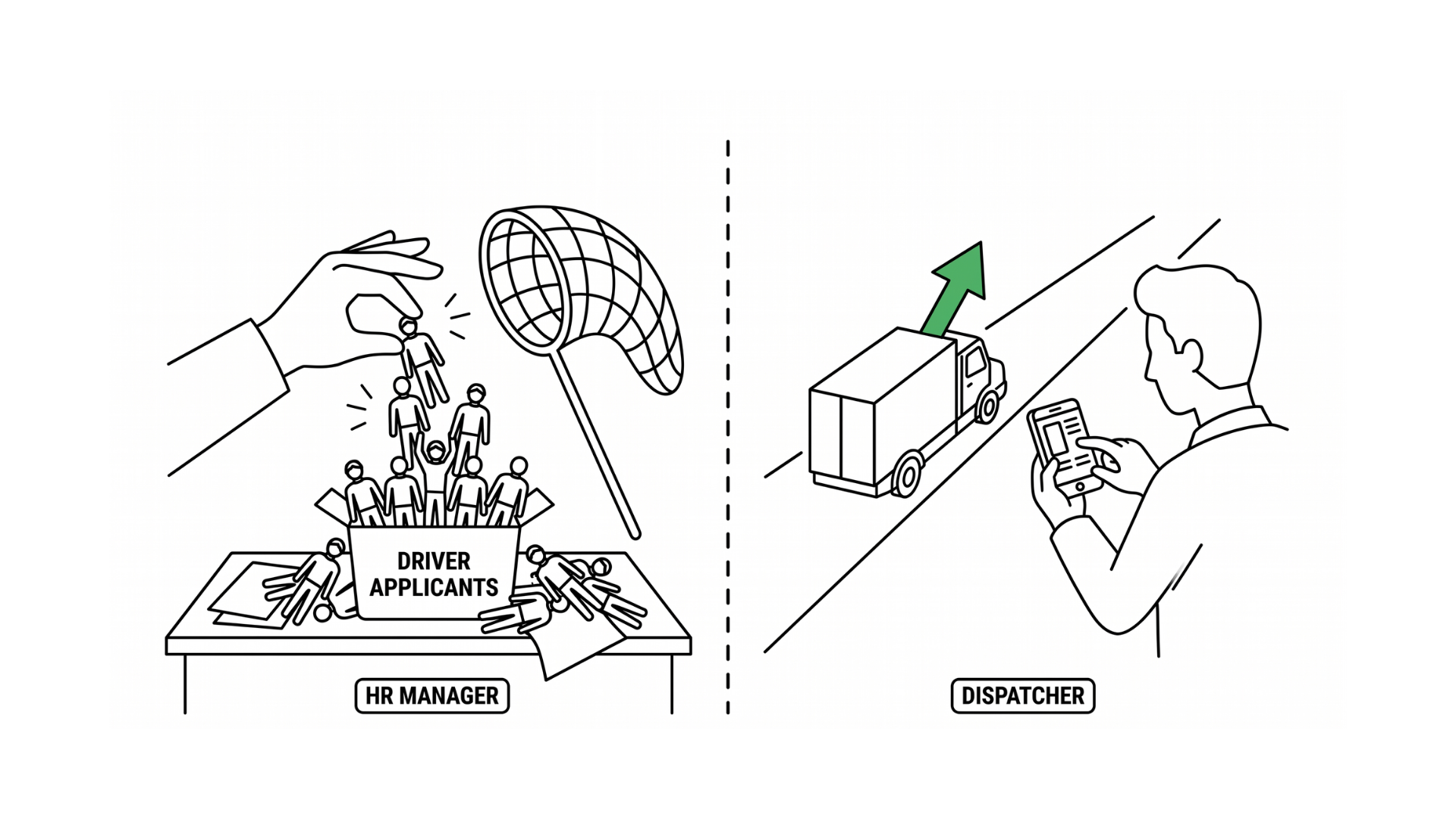
FMCSA's 2026 CDL rule changes are removing non-domiciled drivers from the eligible pool. In Southern California, carriers are looking at a 20 to 25% reduction in available CDL holders. In Texas and Arizona, 15 to 20%. That's not a future risk. It's a headcount constraint that's already active.
Recruitment alone won't solve a structural shortage. The carriers managing this well aren't just hiring harder. They're extracting more from every driver already on their roster. Guided mobile workflows that eliminate check-in calls. Automated job assignment that cuts dispatch time. When the process stops creating friction, the same driver completes more deliveries per shift. That's the only real answer to losing a driver you can't replace.
5. Carriers Aren't Losing Contracts on Price Anymore
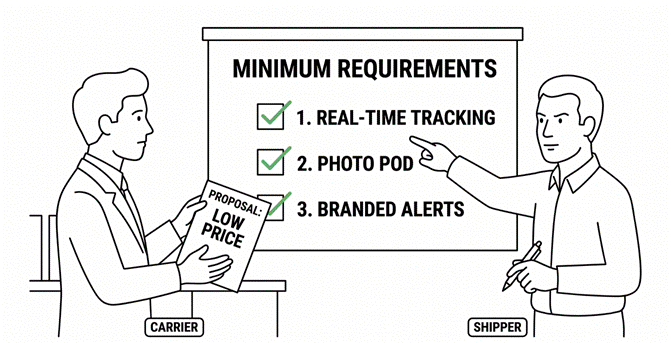
A prominent carrier we work with lost a dedicated contract at renewal last year. Strong service record, competitive rate, established relationship. The shipper went another direction anyway. The reason: they couldn't produce branded consignee tracking, photo POD documentation, or automated exception alerts. The shipper's own customers expected that experience. A carrier who couldn't deliver it wasn't a fit anymore, regardless of everything else.
This is happening more than carriers know because it usually doesn't come with an explanation. More than half of North American shippers now extend real-time visibility requirements to their carrier partners. Meeting that standard isn't a six-month technology project. For most operations, it's a matter of weeks. The gap is usually the assumption that it isn't.
6. Dedicated Freight Is Back. But the Evaluation Has Changed.
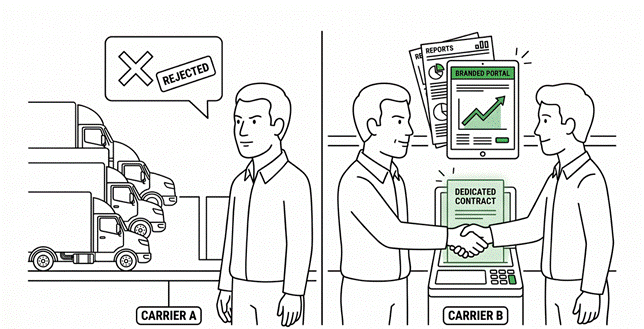
Nearly half of North American shippers are moving back toward dedicated carrier relationships. Stable volume, predictable lanes, multi-year revenue. For the right carrier, this is one of the better opportunities in the current market.
The shippers rebuilding dedicated programs spent the last two years on spot freight and got burned by capacity volatility and service inconsistency. The partners they're selecting now need to prove operational discipline before the contract is signed, not after. Performance reporting. Branded portals. The ability to show what the operation looks like from the outside.
The carriers winning these bids aren't just showing up with trucks. They're showing up with evidence.
7. The AI Implementations That Are Actually Working Look Nothing Like the Conference Demos

The carriers adopting AI effectively in their operations didn't start with an AI strategy. They started with a specific problem. Eight hours a day entering air waybills manually. Dispatchers making routing calls with 20 minutes of lead time. Volume surprises that shouldn't have been surprises. In each case, AI was the solution to an operational problem they already knew they had, not a technology initiative they set out to run.
That distinction matters because it's the only AI adoption that actually holds. Start with the problem. The right tool usually becomes obvious.
8. Most Carriers Benchmark Against Last Year. The Best Ones Benchmark Against What Shippers Expect Next Quarter.
Measuring your performance against where you were 12 months ago tells you whether you're improving. It doesn't tell you whether you're improving fast enough.
Shippers are raising their service expectations every quarter, not annually. On-time performance, damage rates, invoice accuracy, exception response time. The carriers who know their own numbers at that level of granularity are the ones who can walk into any conversation with a shipper and defend their position. The ones who don't are always playing catch-up.
What This Adds Up To
None of these eight things require a wholesale transformation. Most of them come down to a single question: does your operation produce the information you need to run it well?
Carriers who can answer yes are the ones winning the contracts, holding the renewals, and finding the margin that the market stopped handing out a few years ago. Fleet Enable is built to make that possible for final-mile carriers, port to door, in one platform.
See what that looks like for your operation.
